Yes, you can replace countertops without replacing cabinets, and many homeowners do. The deciding factor is the cabinets themselves. They need to be structurally sound, level, and able to carry the weight of the new surface. If your cabinet boxes are solid and you like their layout, new countertops can change the look of a kitchen without the cost and disruption of a full remodel. If the boxes are sagging, water-damaged, or due for replacement soon, though, a new countertop can end up as an expensive temporary fix. This guide explains how to tell which situation you're in.
Why Countertop-Only Replacement Often Works
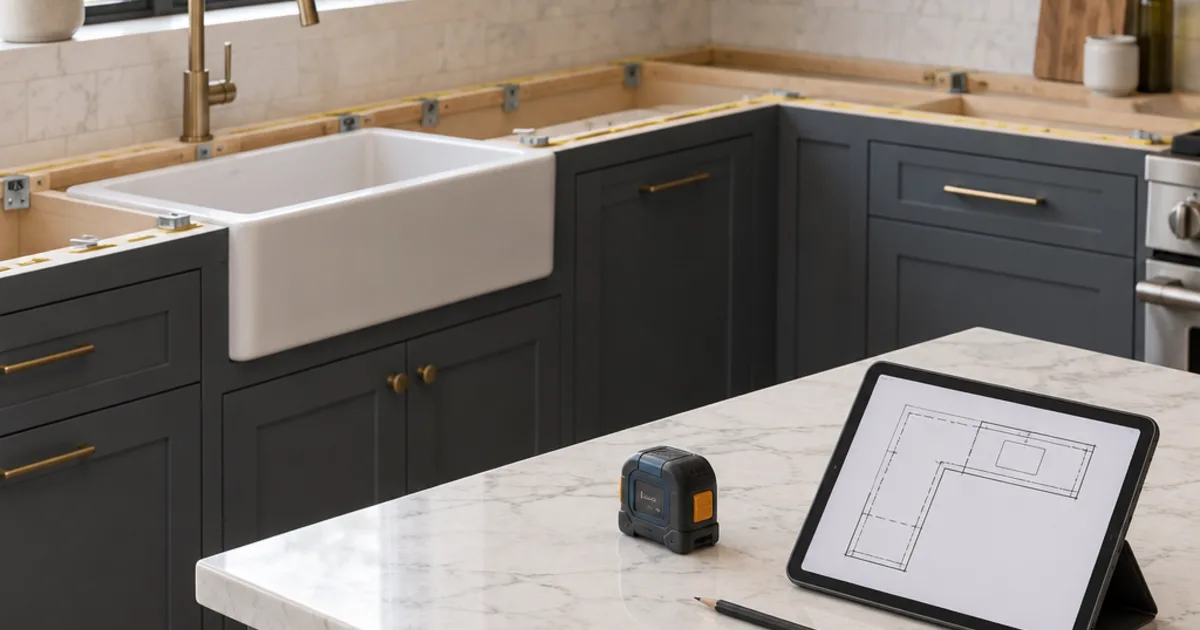
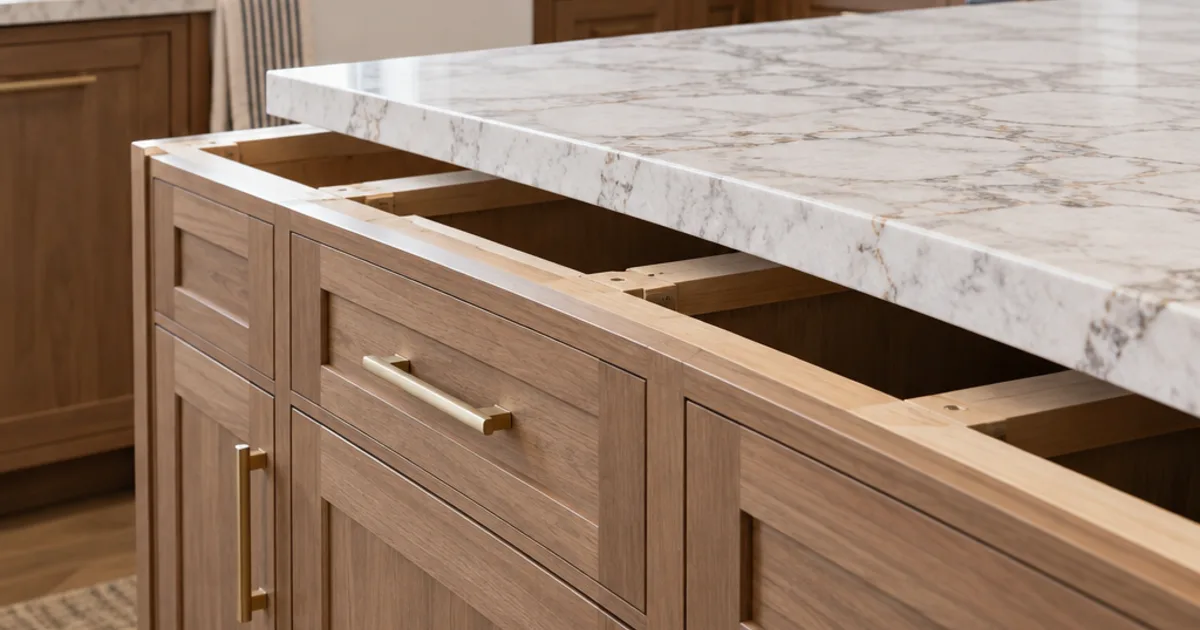
Countertops sit on top of your cabinet boxes. They are not built into them. In most kitchens, the old countertop can be detached, removed, and replaced while the base cabinets stay in place. Granite, quartz, and other stone or engineered surfaces are templated to the existing cabinet footprint, so your layout stays the same.
This approach makes the most sense when:
- Your cabinet boxes are in good shape. The frames are firm, the shelves aren't bowing, and the sink base shows no rot.
- You're happy with the layout. You don't plan to move the sink, add an island, or reconfigure appliances.
- Your cabinet style still suits you. Shaker-style doors in particular stay current across many design trends.
When You Should Reconsider Keeping Your Cabinets
The most common regret is installing a premium countertop on cabinets that fail a few years later. Replacing the cabinets after that usually means removing the new countertop, which risks damaging it, especially stone.
Warning signs in your cabinets
- Water damage under the sink. Swollen particleboard, soft spots, or a musty smell suggest the base may not hold up under a heavy surface. Humid summers can make existing moisture problems worse.
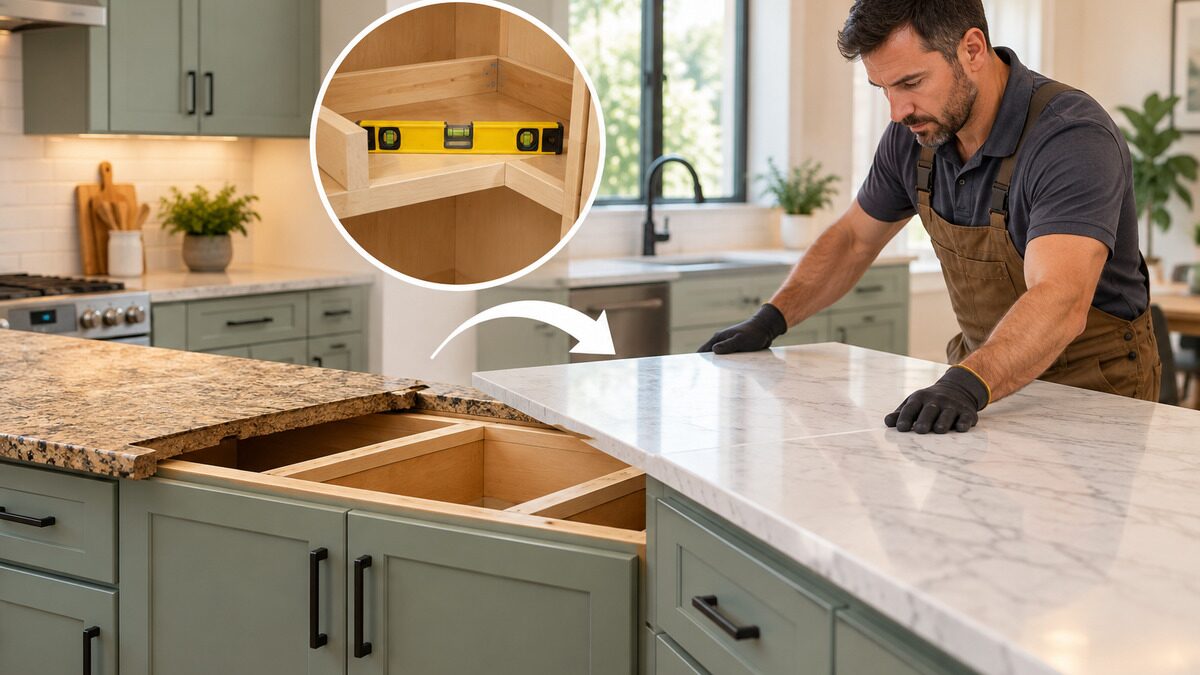
- Out-of-level or sagging boxes. Stone and quartz slabs need a flat, even support plane. Minor variations can often be shimmed. Significant sagging usually can't.
- Loose face frames or failing joints. If cabinets rack or wobble when you push on them, the problem goes beyond hardware.
- Planned layout changes. Moving plumbing or appliances later will likely affect the countertop anyway.
Weight considerations
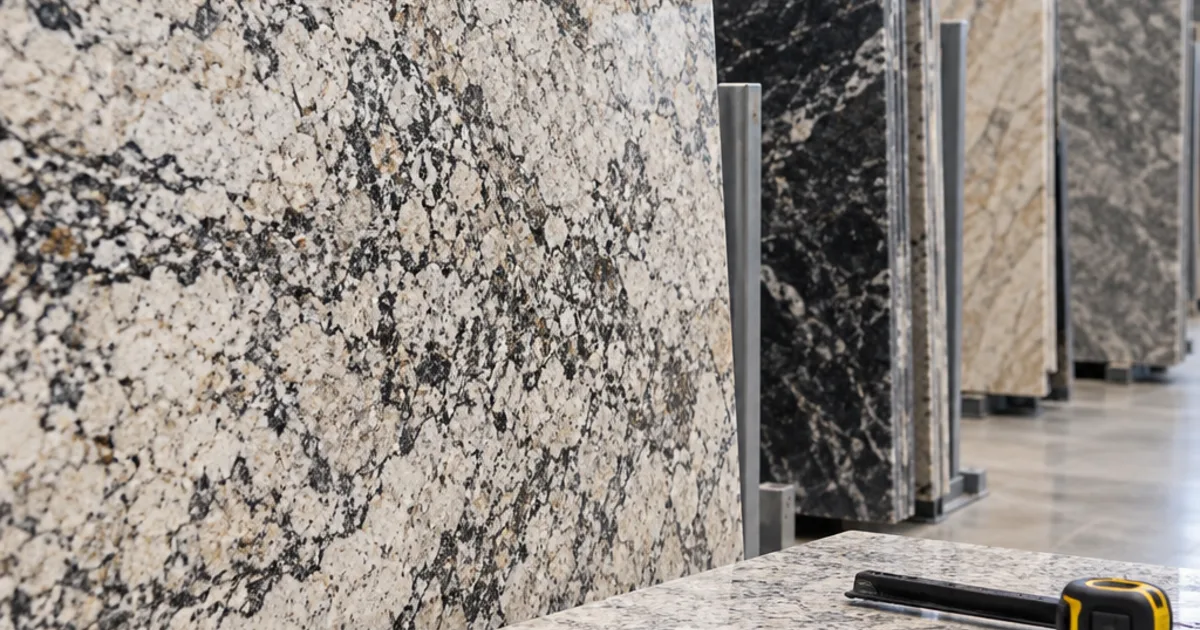
Natural stone and quartz are much heavier than laminate. Well-built cabinets generally handle this weight, but older or lightly built boxes may need reinforcement. Have an installer assess them before you choose a material.
Step-by-Step: How to Decide
- Inspect every base cabinet. Open each door and check floors, back panels, and corners with a flashlight. Press on the sink base floor.
- Check for level. Lay a long level across the existing countertop and inside the cabinet boxes. Note any dips greater than you'd expect from normal settling.
- Decide on your five-year plan. If you expect to replace the cabinets within a few years, consider doing both now.
- Pick your countertop material with your cabinets in mind. Heavier slabs need sturdier support.
- Plan for the backsplash. Removing old countertops often disturbs the existing backsplash tile. Budget for repair or replacement.
- Confirm sink and faucet compatibility. Undermount sinks may need different cabinet support than drop-in sinks.
- Get a professional measurement and inspection. Templating confirms fit, and a trained eye can spot cabinet issues you might miss.
Illustrative Example (Hypothetical)
This is a made-up scenario for explanation only, not a real customer result.
Imagine a homeowner in a 1990s house with solid wood cabinets and worn laminate countertops. During inspection, the cabinets turn out to be level and sturdy, but the sink base floor shows old water staining that is still firm. The practical choice is to keep the cabinets, replace the sink base floor panel, and install quartz. The kitchen gets a major visual upgrade without a full remodel.
Now picture a second house where several base cabinets are particleboard swollen from repeated leaks. Putting stone on top would risk cracking or a future tear-out. Replacing the base cabinets along with the countertop is the more durable investment there.
Refreshing Cabinets Alongside New Countertops
If your cabinets are structurally fine but look dated, you don't have to choose between keeping them as-is and replacing everything. Many homeowners pair new countertops with cabinet updates like new hardware or replacement doors. When boxes are failing, new kitchen cabinets installed with new countertops let both be fitted together for a cleaner result.
The same logic applies to bathroom cabinets and vanities. A new vanity top can work on an existing base if the base is solid and free from moisture damage, which matters even more in a bathroom.
Common Mistakes to Avoid
- Skipping the cabinet inspection. Countertop pricing gets attention while the support structure gets ignored.
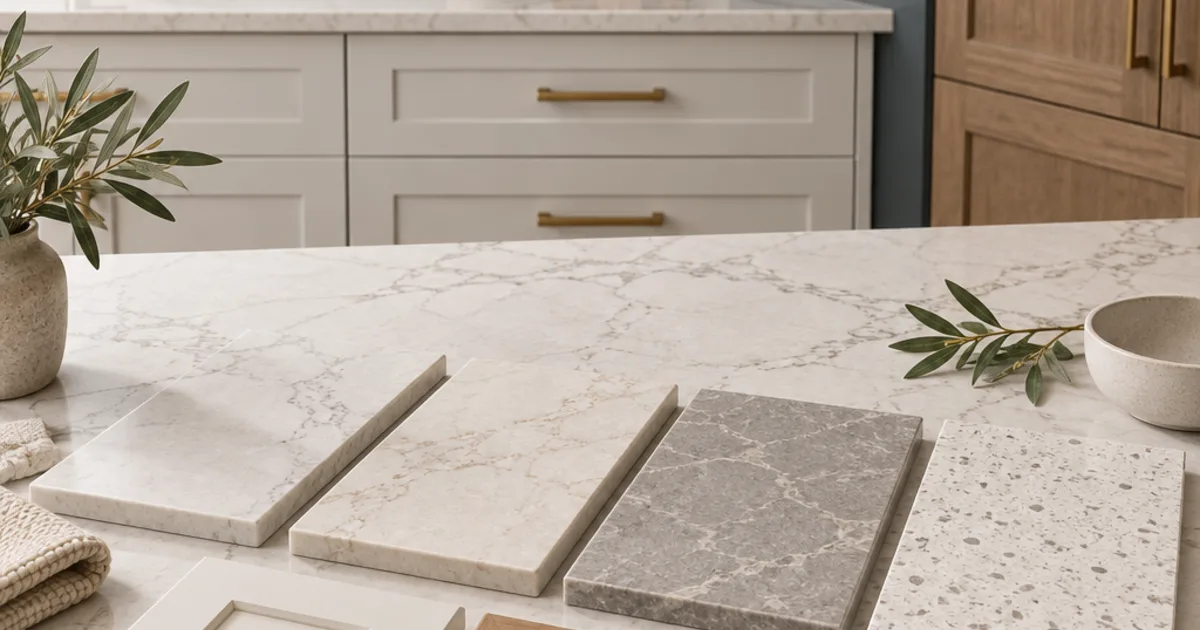
- Choosing a countertop color that clashes with existing cabinets. Bring a cabinet door, or clear photos, when selecting slabs.
- Forgetting about cabinet height and overhang. New countertops may be a different thickness than the old ones, which affects appliance fit and seating overhangs.
- Ignoring the dishwasher mounting method. Stone countertops often need side-mount brackets instead of top-mount screws.
- Assuming removal will be clean. Old countertops glued or screwed in place can chip cabinet edges during removal. Ask how your installer handles this.
Frequently Asked Questions
Will removing my old countertop damage my cabinets?
It can, but careful removal usually keeps damage minimal. Laminate countertops are typically screwed from below, and stone is often attached with adhesive that needs to be cut. Minor touch-ups to cabinet top edges are sometimes needed.
Can I install quartz on 20- or 30-year-old cabinets?
Often yes, if the cabinets are well built, level, and dry. Age matters less than condition. An installer should confirm the boxes can support the slab and recommend reinforcement if needed.
Should I replace countertops or cabinets first if I'm doing both eventually?
Cabinets should go first. Countertops are templated to the cabinets, so installing countertops first and replacing cabinets later typically means removing and possibly losing the countertop.
Do I need to keep my kitchen usable during a countertop-only project?
You will usually lose sink and counter use for a period between removal and installation of the new surface. Ask your installer for an estimated timeline so you can plan meals and set up a temporary prep area.
Conclusion: Inspect First, Then Decide
Replacing countertops without replacing cabinets is a smart, practical upgrade when your cabinets are sound, level, and suited to the new material's weight. It becomes a costly mistake when worn or water-damaged cabinets have to come out a few years later. Start with a thorough cabinet inspection, think about your long-term plans, and choose a material your existing boxes can support. To talk through your kitchen with a team that handles both countertops and cabinets, visit ucikitchenandbath and request an assessment of your current setup.